Tibet: A Calling from the Roof of the World
Beyond all maps and above all ordinary landscapes lies Tibet, the storied “Roof of the World.” This is not merely a destination; it is a profound elevation of the spirit, a realm where the sky feels within reach and ancient chants resonate with the mountain winds. As the spiritual and geographic pinnacle of the Qinghai-Tibet Plateau, Tibet presents a journey of unparalleled scale and depth—from the world’s highest peaks to its most revered monasteries, from vibrant living traditions to a breathtaking commitment to ecological harmony. To travel here is to answer a call to witness resilience, faith, and nature’s most dramatic artistry.
Ⅰ. Realm of Giants: Between Heaven and Earth
Tibet’s landscape is a narrative of epic proportions, written by tectonic forces and glacial patience. It is a kingdom of geographical superlatives that commands awe and introspection.
• The Sacred Peaks:
The Himalayas stand as silent, snow-clad sentinels. Mount Everest (Qomolangma), the planet’s apex, draws pilgrims and adventurers to its base camp, offering a humbling encounter with ultimate scale. Further east, the elusive Namtso (Namu) and Yamdrok Lake (Yamdrot Yumtso)—two of Tibet’s Great Three Holy Lakes—hold a different kind of power. Their turquoise and sapphire waters, set against stark mountains and wide skies, are considered mirrors of the soul and the heavens.
• The Life-Giving Plateau:
This high-altitude land is the source of Asia’s mighty rivers and a sanctuary for unique wildlife. The recovery of the Tibetan antelope, whose numbers have rebounded to over 300,000, is an ecological triumph. Witnessing herds of these “highland spirits” migrate across the Changtang Grasslands is a testament to successful conservation. Similarly, the transformation of Lhalu Wetland in Lhasa from degraded land to a vibrant urban lung showcases a modern dedication to preserving the plateau’s fragile balance.
Ⅱ. The Pulse of Faith: A Living Cultural Tapestry
Tibet’s true essence is woven through its uninterrupted cultural heritage, a living tapestry where millennia-old traditions thrive in contemporary life.
• The Heart of Tibetan Buddhism:
The Potala Palace, towering over Lhasa, is more than an architectural wonder; it is the enduring symbol of Tibetan civilization. A visit here, especially seeing its golden roofs glow at night from the palace square, is a journey into history and devotion. Nearby, the Jokhang Temple in the bustling Barkhor Street circuit forms the spiritual core of Tibet. Joining pilgrims circling the temple, amidst the murmur of prayers and the turning of prayer wheels, offers an immersive experience of living faith.
• Intangible Heritage in Action:
Tibetan culture is dynamically preserved. The ancient art of Tibetan Opera, once facing challenges, is now experiencing a vibrant revival. Innovations like condensed performances and the inclusion of young performers ensure its stories and distinctive masked dances continue to captivate new generations. Visitors can also engage with crafts firsthand, such as trying their hand at painting a thangka or making incense at cultural experience centers, turning observation into participation.
Ⅲ. A Modern Pilgrimage: Access and Authenticity
The once-remote plateau is now connected, allowing for profound journeys that blend comfort with authentic discovery.
• Journey on the “Sky Road”:
The Qinghai-Tibet Railway is an engineering marvel and a transformative travel experience. Dubbed the “Sky Road,” it offers breathtaking vistas as it climbs onto the plateau, making Lhasa accessible to all. Within Tibet, the Lhasa-Nyingchi Railway and Lhasa-Shigatse Railway open up the forested valleys of Nyingchi and the cultural heartland of Shigatse, allowing travelers to craft diverse itineraries with ease.
• Curated Journeys for Every Traveler:
Whether short on time or seeking depth, structured routes make exploring manageable. The following are three popular itineraries:
• Classic 3-Day Essence
· Focus: Immersion in Lhasa’s cultural and natural highlights.
· Route: Lhasa (Potala Palace, Jokhang Temple, Barkhor Street) → Yamdrok Lake (day trip) → Lhasa (Drepung or Sera Monastery).
· Perfect for: First-time visitors or those with limited time to acclimate, offering a powerful introduction.
• Scenic 5-Day Highland Loop
· Focus: Combining culture with the stunning lake and mountain landscapes of the Lhasa-Shigatse corridor.
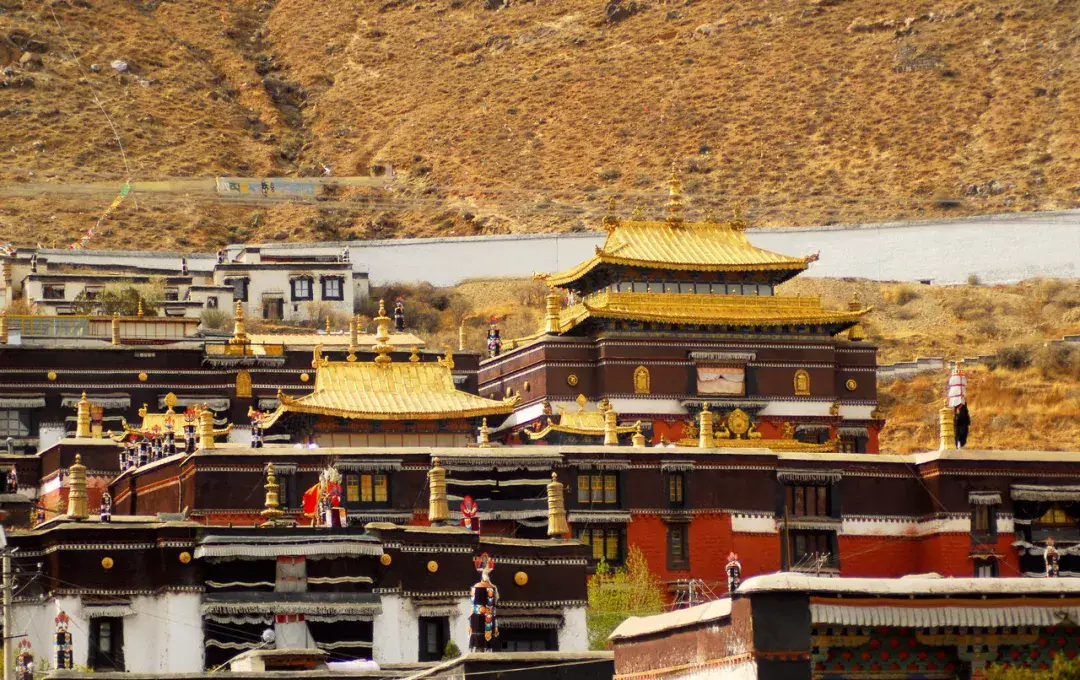
· Route: Lhasa → Gyantse (Kumbum Stupa) → Shigatse (Tashilhunpo Monastery) → Mount Everest Base Camp (overnight at Rongbuk) → Return to Lhasa.
· Perfect for: Those wanting to witness the majesty of the Himalayas alongside key monastic centers.
• Epic 7+ Day Western Odyssey
· Focus: An adventure to the remote, awe-inspiring “roof of the roof of the world.”
· Route: Lhasa → Lake Namtso → Mount Kailash (sacred circumambulation) → Lake Manasarovar → Guge Kingdom ruins in Zanda → Return.
· Perfect for: Seasoned travelers and spiritual seekers drawn to Tibet’s most sacred and isolated landscapes.
Ⅳ. Essential Travel Wisdom for the Highlands
A journey to Tibet requires thoughtful preparation to ensure a safe and respectful experience.
• Acclimatization is Paramount: Spend your first 24-48 hours in Lhasa resting, staying hydrated, and avoiding alcohol or strenuous activity to adjust to the altitude.
• Permits and Planning: International tourists must travel with a pre-arranged tour guide and obtain a Tibet Travel Permit. Special Aliens’ Travel Permits are required for visits to Mount Everest, Mount Kailash, and other remote areas.
• Seasonal Rhythms:
· Best Overall (May-Oct): Warmest weather, lush landscapes, all routes accessible.
· For Blooms (Mar-Apr): Experience the magical Nyingchi Peach Blossom Festival.
· For Solitude & Value (Nov-Feb): The “Winter in Tibet” initiative offers discounted flights, free entry to major attractions, and crowd-free serenity, though some remote areas may be inaccessible.
• Packing Essentials: Sun protection (high-SPF sunscreen, hat, sunglasses) is non-negotiable due to intense UV radiation. Pack layered clothing—a down jacket is essential year-round—and sturdy, comfortable walking shoes.
Tibet remains one of travel’s ultimate destinations, not for ease, but for transformation. It is where the physical and spiritual horizons expand simultaneously. From the silent watchfulness of the Potala Palace to the joyful chaos of a festival, from the crystal air of the highest passes to the warm butter tea shared in a humble home, Tibet offers a journey that resonates long after descent. It is a calling to witness perseverance, beauty, and a culture that touches the sky. Tashi delek!—may you have good fortune on your journey.