A Monastery in the Riverbed
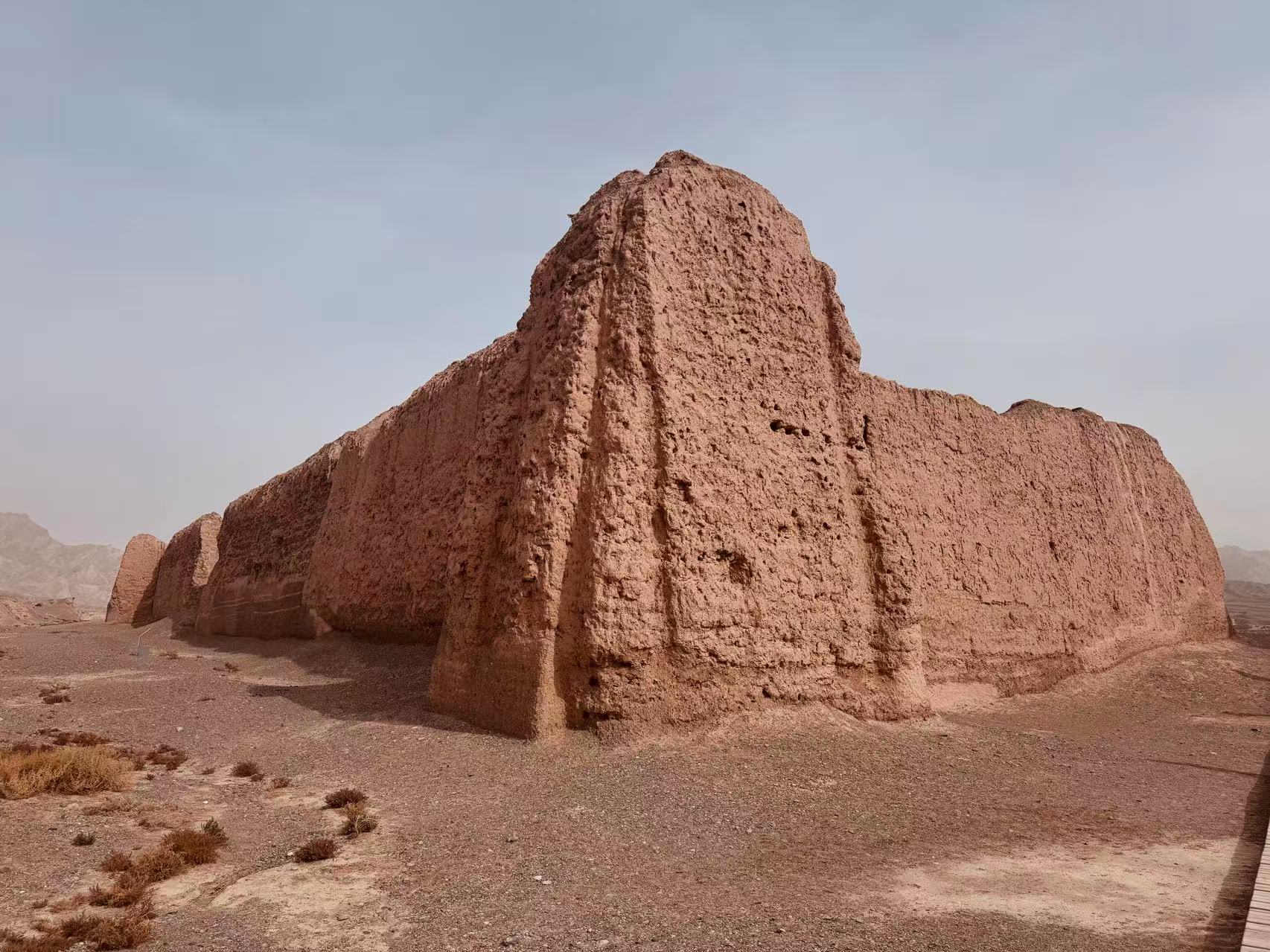
Nestled in the stark, beautiful desert foothills near Kuqa, the Subashi Temple Ruins offer a dramatically different vision of ancient Buddhist life. Founded in the 3rd century AD, this was once one of the largest and most important Buddhist monasteries in the Western Regions, flourishing for over a thousand years. What remains today are two vast complexes divided by the now-dry bed of the Kuqa River, known as the Western and Eastern Monasteries.
The ruins are expansive and evocative, with crumbling pagodas, monastery walls, and meditation caves scattered across the barren landscape. The main pagodas, though weathered, still stand as sentinels against the backdrop of the distant Tianshan Mountains, creating a scene of sublime desolation. Subashi was a center of learning and translation, where Sanskrit texts were translated into local languages, facilitating the spread of Buddhism into China.
Exploring Subashi feels like an archaeological adventure. You can wander freely among the mud-brick structures, imagining the lives of the thousands of monks who studied and prayed here. The site’s isolation and scale inspire awe and contemplation. Its decline after the 13th century, due to shifting trade routes and religious changes, adds a layer of poignant mystery. For those interested in Silk Road Buddhism beyond the famous cave art, Subashi provides an essential, tangible connection to the vast monastic networks that once dotted this region.