Shanxi: Where Ancient Whispers Meet Timeless Landscapes
For the international traveler seeking a journey into the authentic heart of China, far beyond the neon glow of its megacities, Shanxi Province unveils itself as a captivating revelation. Nestled in the dusty embrace of the Yellow River’s middle reaches, this landlocked region is not merely a destination; it is a profound dialogue with time itself. Here, the very soil seems to exhale history, where the legacy of merchants, monks, and empires is etched into cliff faces, fortified walls, and serene temple courtyards. Shanxi offers a majestic, often overlooked, tapestry of cultural depth and stark natural beauty.
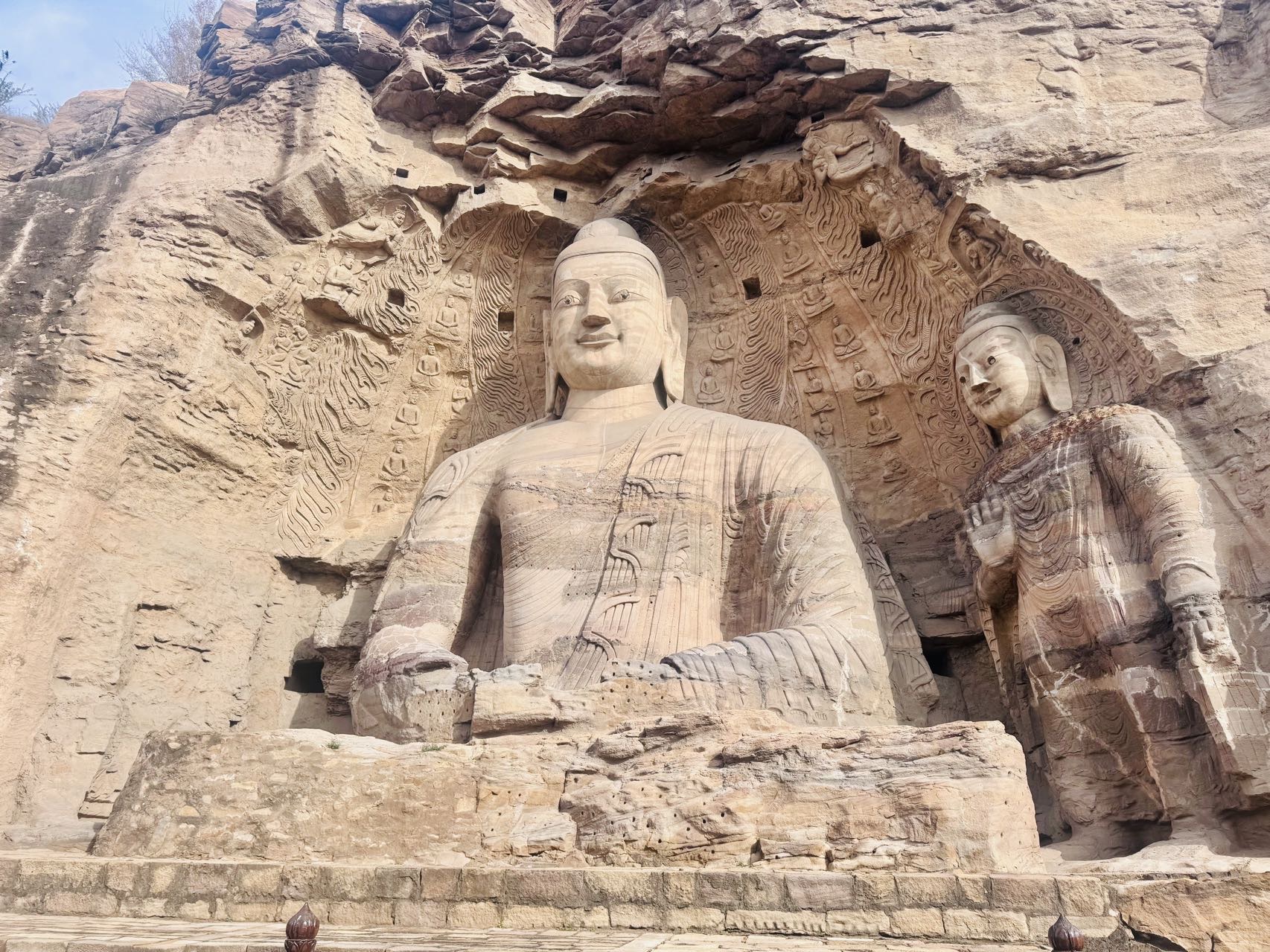
Your historical pilgrimage begins in the north, at the Yungang Grottoes near Datong. A UNESCO World Heritage site, this is where faith met stone with breathtaking ambition. Carved into the sandstone cliffs over 1,500 years ago, these 252 caves and 51,000 statues represent a zenith of Buddhist rock-cut architecture. Standing before the 17-meter-tall seated Buddha in Cave 20, his serene gaze weathered by centuries yet utterly commanding, is to witness the artistic and spiritual fusion of ancient Chinese, Indian, and Central Asian cultures. The scale is humbling, the artistry sublime—a monumental testament to the Silk Road’s intellectual exchange.
From Buddhist sanctuaries, travel south to step into the lived-in China of the Ming and Qing dynasties. The ancient city of Pingyao is a perfectly preserved time capsule. Encircled by imposing, 14th-century ramparts that you can walk in their entirety, its labyrinthine network of cobblestone streets, grey-brick courtyards, and ornate wooden eaves transports you to an era of flourishing mercantile power. Pingyao was the Wall Street of imperial China, home to the nation’s first draft banks. Explore the Rishengchang Exchange House, marvel at the intricate guildhalls, and spend a night in a traditional courtyard inn. As the red lanterns glow at dusk, the silence of the car-free alleys whispers tales of merchant caravans and silver taels.
The spiritual architecture of Shanxi reaches another peak at the Hanging Temple (Xuankong Si). Defying gravity, this extraordinary structure clings to a sheer cliff face on Mount Heng, supported by wooden pillars driven into the rock. It is a unique masterpiece that harmoniously blends China’s three major philosophical traditions—Buddhism, Taoism, and Confucianism—within a single, perilously beautiful framework. Visiting it is an experience that challenges both your sense of physics and your understanding of religious syncretism.
Yet Shanxi’s narrative is not only written in wood and stone. Its soul is also shaped by the earth. The province is famed for its ancient folk architecture, particularly the sturdy, cave-like houses carved into the rich loess plateaus or built as elaborate fortified compounds. Regions like Lingshi offer glimpses into this vernacular style, showcasing a pragmatic and beautiful adaptation to the environment. Furthermore, the rugged, rolling landscapes themselves are a draw. The Taihang Mountains offer breathtaking hiking trails through deep gorges and past dramatic cliff formations, while a visit to the Hukou Waterfall on the Yellow River—China’s second-largest waterfall—presents the mighty river in its most furious and majestic state.
No cultural immersion is complete without the culinary kind. Shanxi is the undisputed “Kingdom of Noodles.” Forget pasta; here, the art of hand-pulled, shaved, and sliced dough reaches dizzying heights. Savor a bowl of Daoxiaomian (knife-shaved noodles), watch in awe as a chef deftly peels ribbons of dough into a boiling pot, or try the local favorite, Youmian Kaolao. The ubiquitous, mouth-watering vinegar of Shanxi, aged for years in ceramic urns, is the perfect tangy accompaniment.
In essence, Shanxi is for the contemplative traveler. It is a region that rewards curiosity with profound encounters. It asks you to trace the chisel marks of a forgotten sculptor, to walk the same flagstones as a Qing-dynasty banker, to taste the sour tang of history in its vinegar, and to find serenity in mountain temples that touch the sky. It is a journey to the enduring roots of Chinese civilization, waiting to share its timeless stories with those who venture off the well-trodden path. Come to Shanxi, and listen closely. The whispers of millennia await.