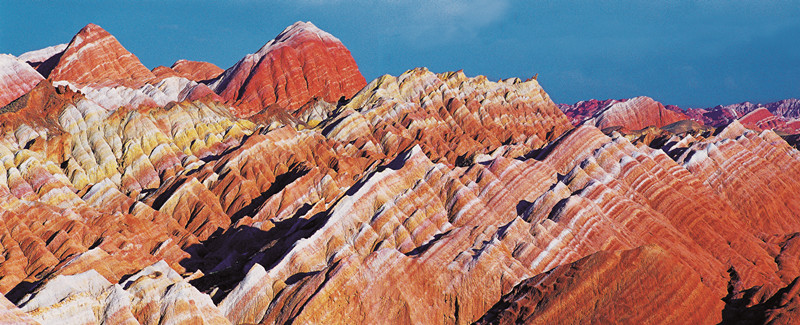
Zhangye

Bingou Danxia Landform

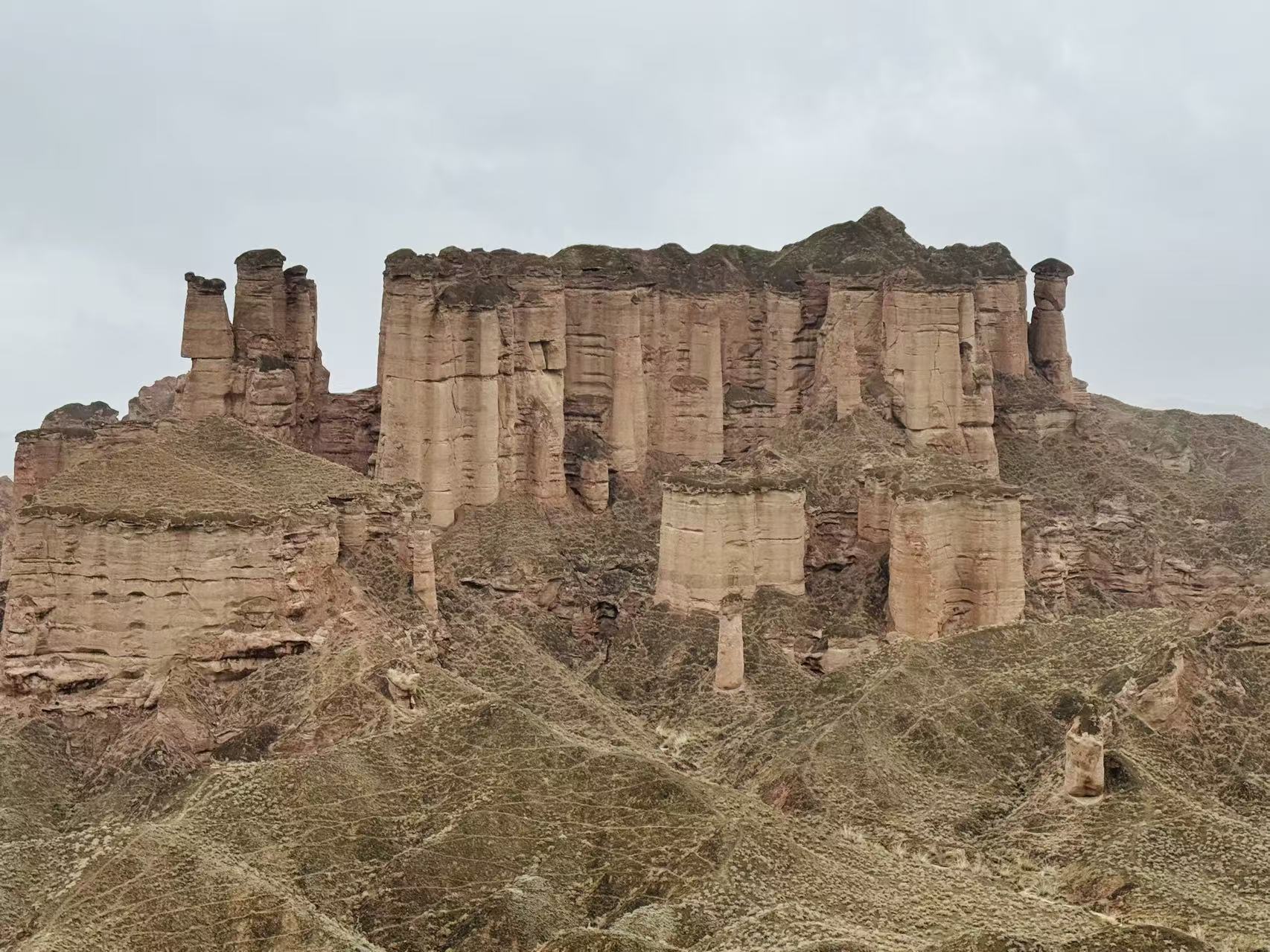
Geological Uniqueness & Formation ProcessBingou Danxia Landform(冰沟丹霞), located 50 kilometers southwest of Zhangye, presents a stunning paradox: fiery-red sandstone formations rising from valleys that host perennial ice formations well into spring. This 30-square-kilometer area represents a rare subtype of Danxia landform where periglacial processes interact with colorful Cretaceous sandstones. While the broader Zhangye Danxia is famous for its “rainbow […]

The Pingshanhu Grand Canyon

Geological Formation & Natural ArchitectureOften called “China’s Grand Canyon,” Pinghu Lake (平山湖) presents a 150-square-kilometer symphony of erosion carved over 80 million years. Located 60 kilometers northeast of Zhangye, this crimson-hued landscape reveals geological chapters from the Cretaceous to Quaternary periods. The canyon’s defining features—towering pillar formations, deep narrow gorges, and natural arches—result from the […]

Jintasi Grottoes

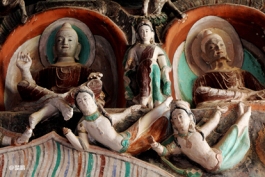
Historical Significance & Discovery ContextLocated in the secluded Linze County approximately 60 kilometers from Zhangye, the Jintasi Grottoes (金塔寺石窟) represent one of China’s most significant yet least-known early Buddhist art treasures. Dating primarily to the Northern Liang Dynasty (397–439 CE)—the very period when Buddhism was systematically establishing itself along the Hexi Corridor—these caves preserve artistic styles […]

Zhangye Matisi Grottoes

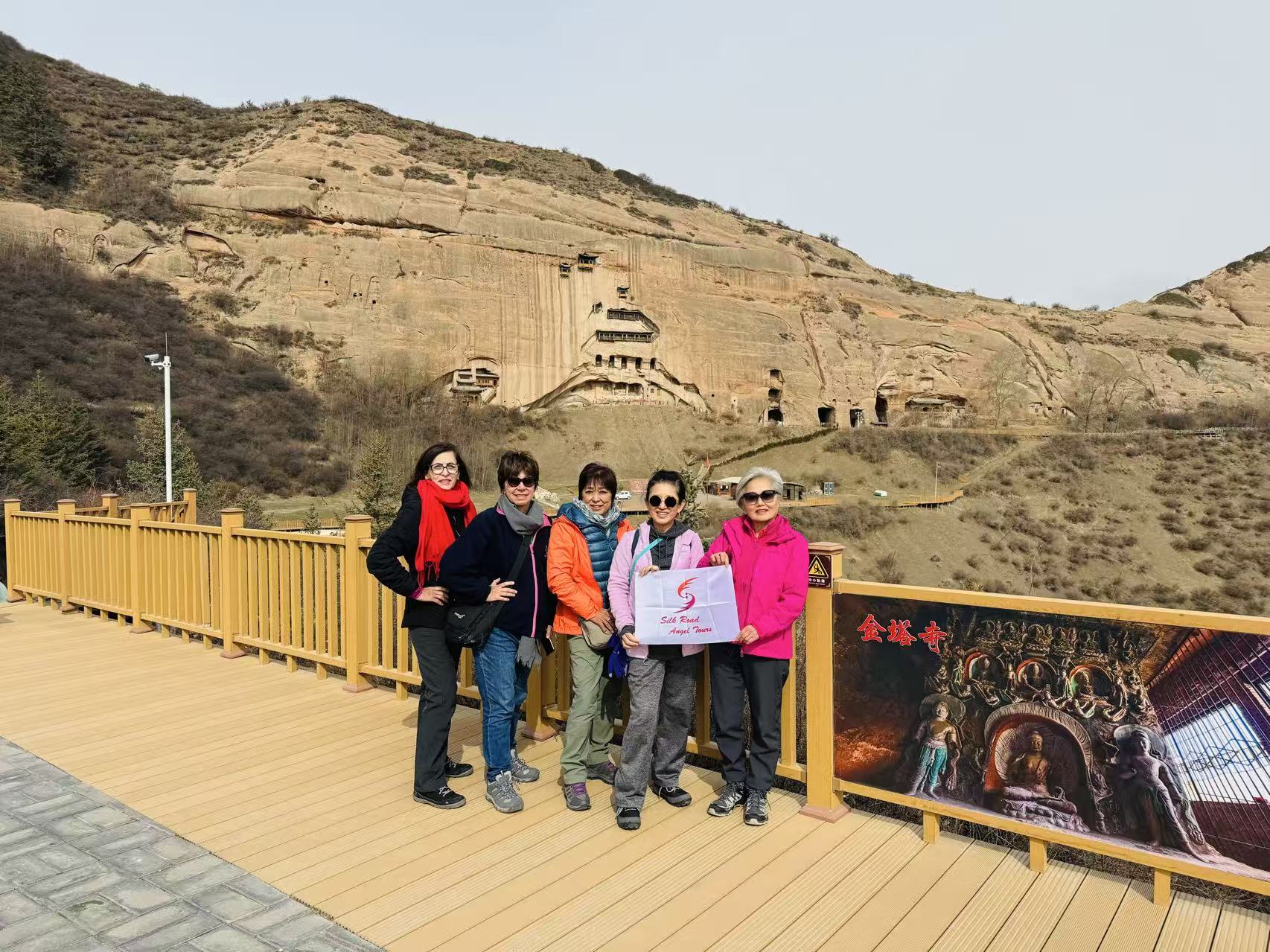
Zhangye Matisi Grottoes: Where Buddhist Art Meets Natural Majesty Historical Context & Geographical SettingNestled 65 kilometers south of Zhangye city in Gansu Province, the Matisi Grottoes (马蹄寺石窟) represent a remarkable synthesis of human devotion and natural grandeur. Carved into the dramatic cliffs of the Qilian Mountains foothills, this extensive cave temple complex dates back over […]

Zhangye Colorful Hills

The nominated property is located in Zhangye City, Gansu Province, western China. Centered on Su’nan Yugur Autonomous County, it also extends slightly into Linze County and Ganzhou District. Overall, it lies in the transitional zone between the foreland fault belt on the northeastern edge of the Qinghai-Tibet Plateau and the Hexi Corridor, at the junction […]