Author: admin

Xinjiang Uygur Autonomous Region Museum

No visit to Urumqi is complete without immersing yourself in the rich tapestry of cultures at the Xinjiang Uygur Autonomous Region Museum. As the largest and most comprehensive museum in Northwest China, this architectural landmark houses over 50,000 artifacts that tell the fascinating story of Xinjiang’s central role in Silk Road history. The building itself […]

Xinjiang International Grand Bazaar

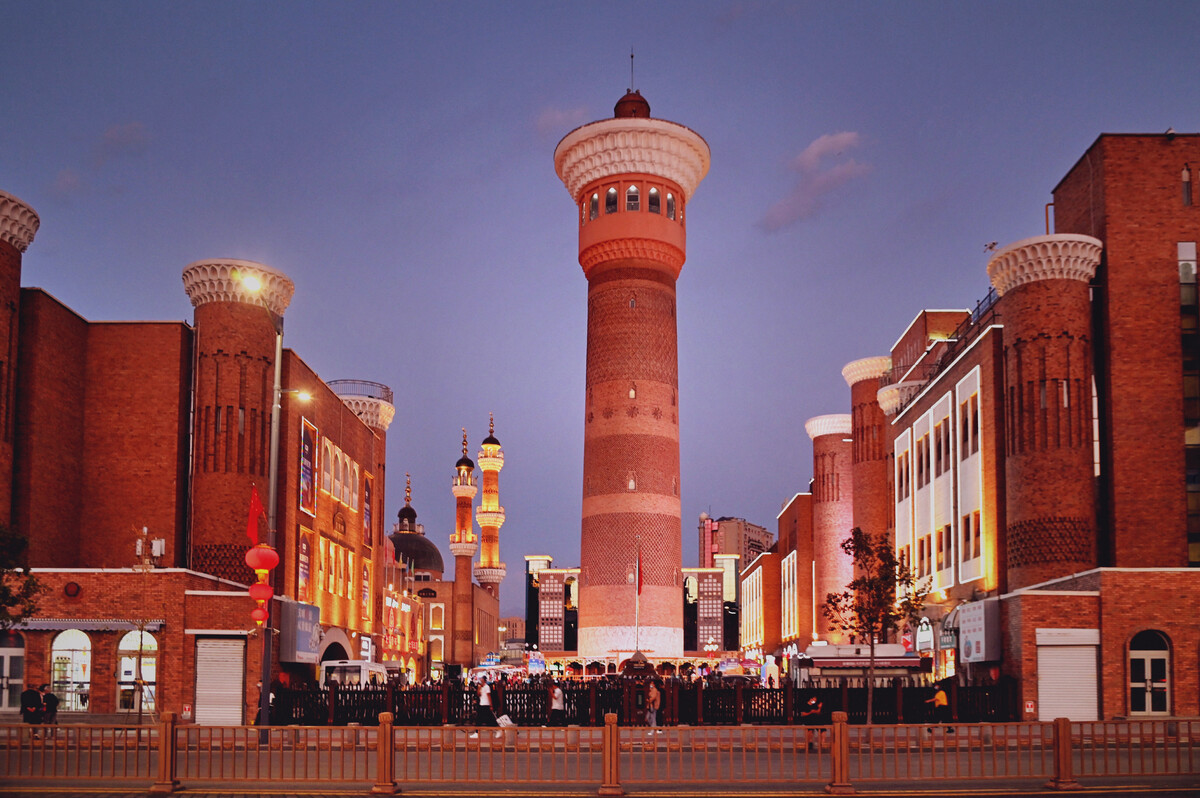
Step into the vibrant heart of Uygur culture at the Xinjiang International Grand Bazaar—the largest bazaar of its kind in the world and Urumqi’s most dynamic cultural destination. Located in the city’s historic Erdaoqiao district, this sprawling complex combines traditional Islamic architecture with modern amenities across nearly 100,000 square meters. More than just a marketplace, […]

Heavenly Lake of Tianshan

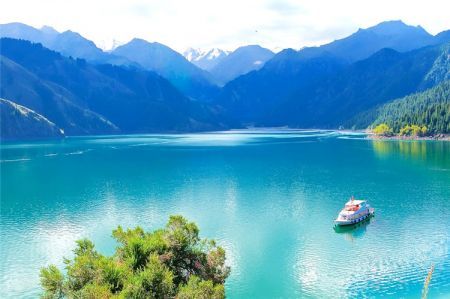
A Turquoise Gem in the Mountains Just 110 kilometers from the bustling center of Urumqi lies one of China’s most breathtaking natural wonders—the Heavenly Lake of Tianshan. Nestled at an altitude of 1,980 meters within the Tianshan mountain range, this alpine lake appears like a miraculous splash of turquoise against a dramatic backdrop of snow-capped […]

Emin Minaret

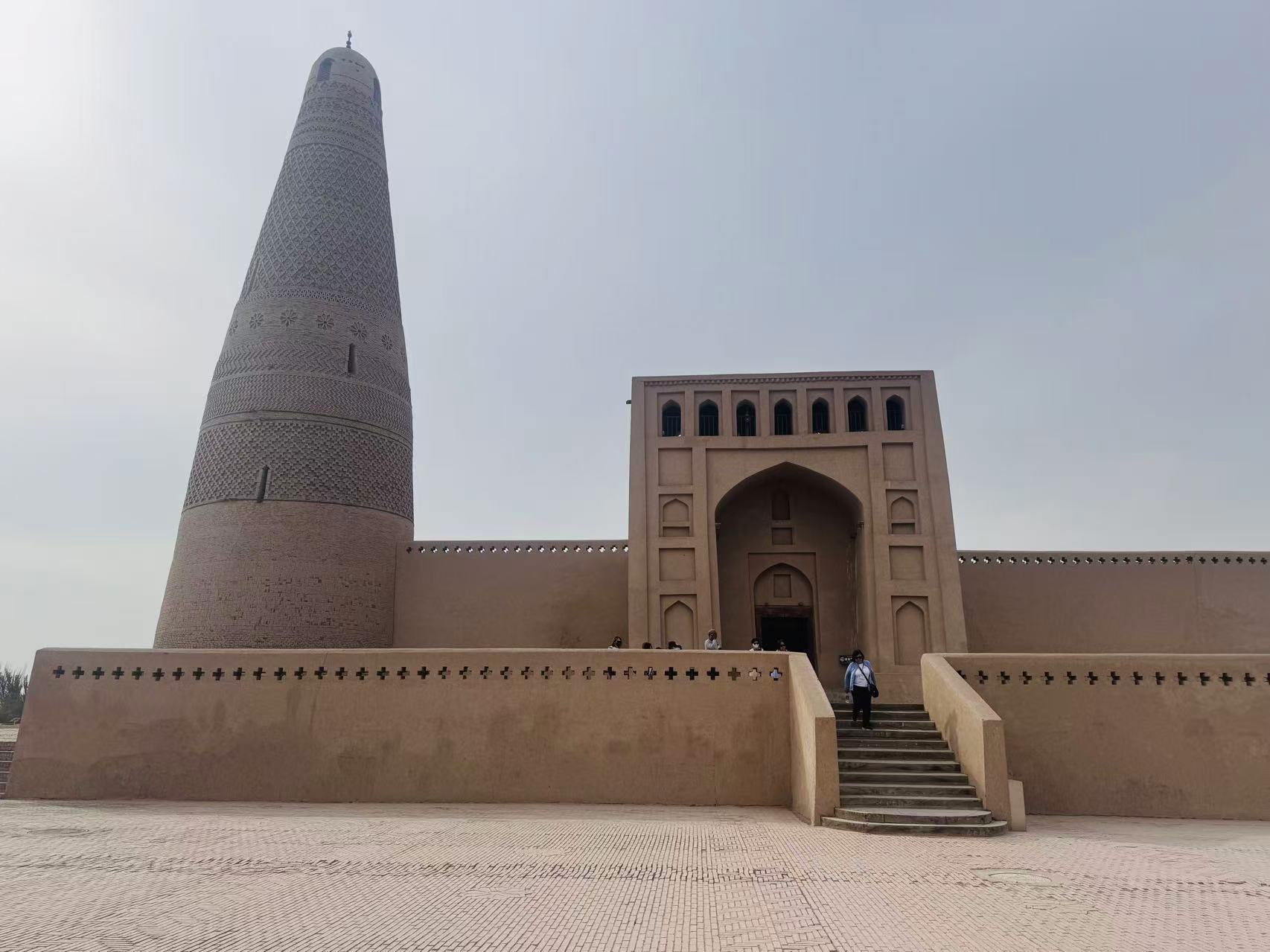
The Graceful Sentinel of the Desert Rising gracefully from the flat Turpan landscape like a giant, intricately decorated chess piece, the Emin Minaret stands as Xinjiang’s most beautiful Islamic monument. Located in the peaceful village of Murtuq just 2 kilometers east of Turpan, this 44-meter tall tower was completed in 1778 during the Qing Dynasty […]

Karez Water System

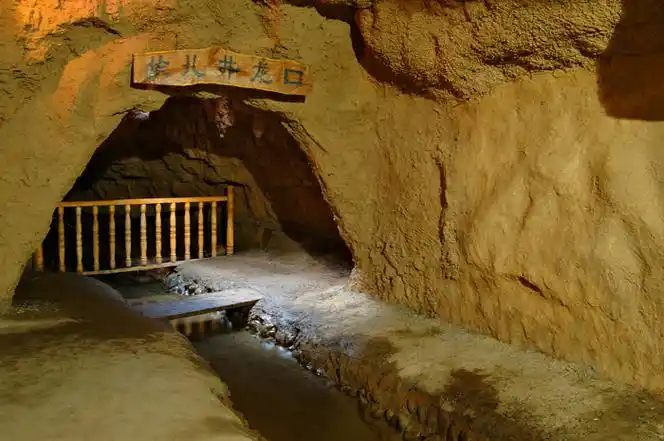
The Underground Wonder That Created an Oasis In the searing heat of the Turpan Depression, one of the hottest and driest places on Earth, lies one of humanity’s greatest engineering triumphs – the Karez underground irrigation system. This astonishing network of wells and tunnels, stretching over 5,000 kilometers beneath the desert, has sustained Turpan’s legendary […]
Astana Ancient Tombs

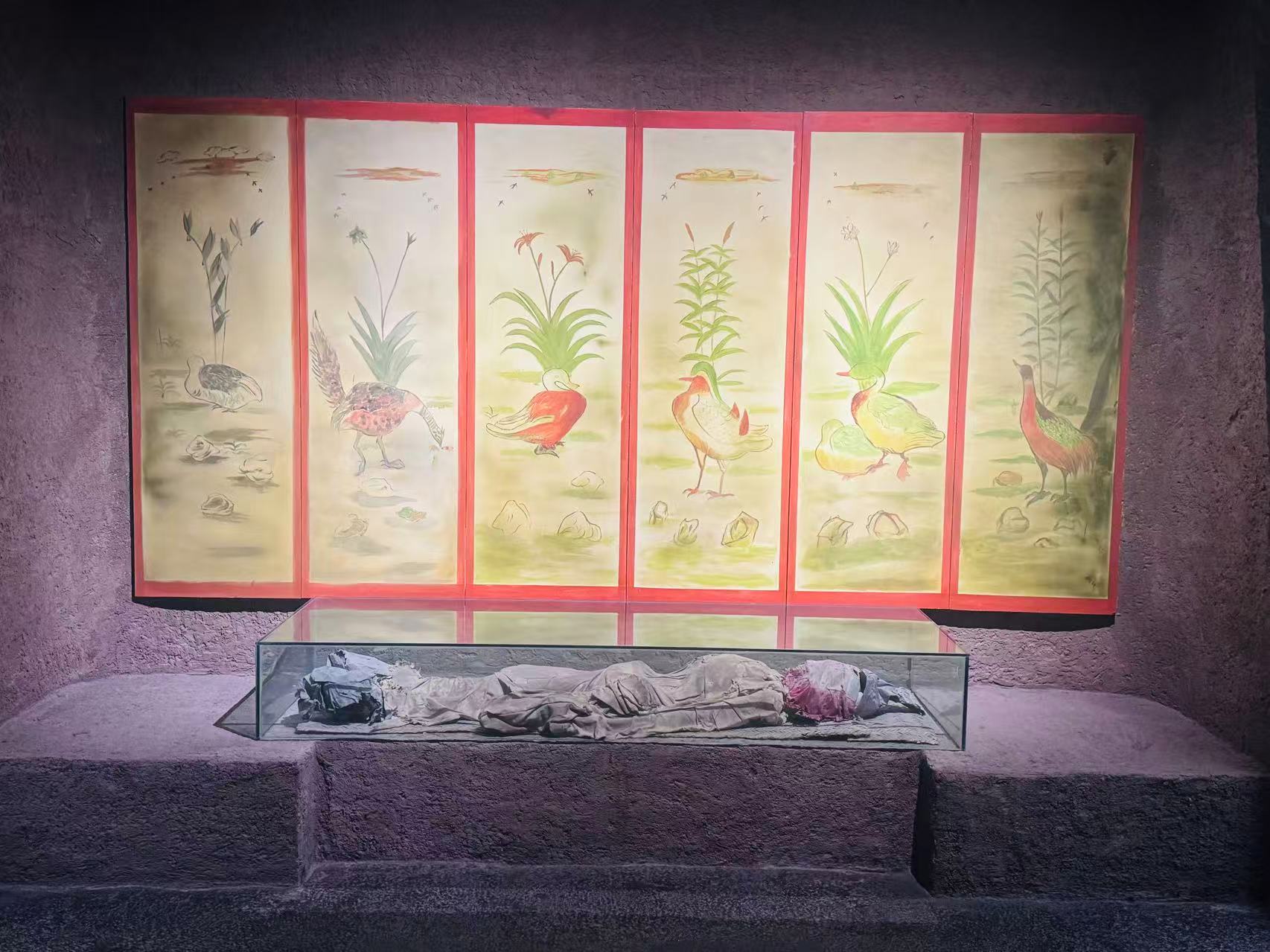
The Underground Museum of Gaochang Just 40 kilometers southeast of modern Turpan lies one of archaeology’s most extraordinary time capsules – the Astana Ancient Tombs. This necropolis, serving the nearby city of Gaochang from the 3rd to 9th centuries, offers an unparalleled window into everyday life along the Silk Road. What makes Astana exceptional isn’t […]

Tuyugou Valley

:The Sacred Canyon of Faiths Nestled within the fiery embrace of the Flaming Mountains, Tuyugou Valley is a place of profound spiritual resonance and breathtaking natural beauty. This remote canyon, located about 70 kilometers east of Turpan, feels like a journey into the very soul of ancient Silk Road culture. Often called the “Cradle of […]

Id Kah Mosque

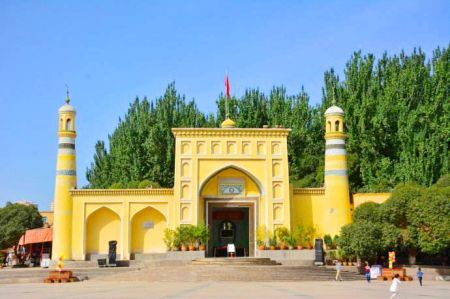
The Heartbeat of an Ancient City No visit to Kashgar is complete without experiencing the Id Kah Mosque. Standing proudly in the central square of the old city, this is not only the largest mosque in China but also the vibrant spiritual and social heart of Kashgar’s Uyghur community. Its name means “Place of Festival […]

The Tomb of Xiang Fei (Apak Khoja Mausoleum):

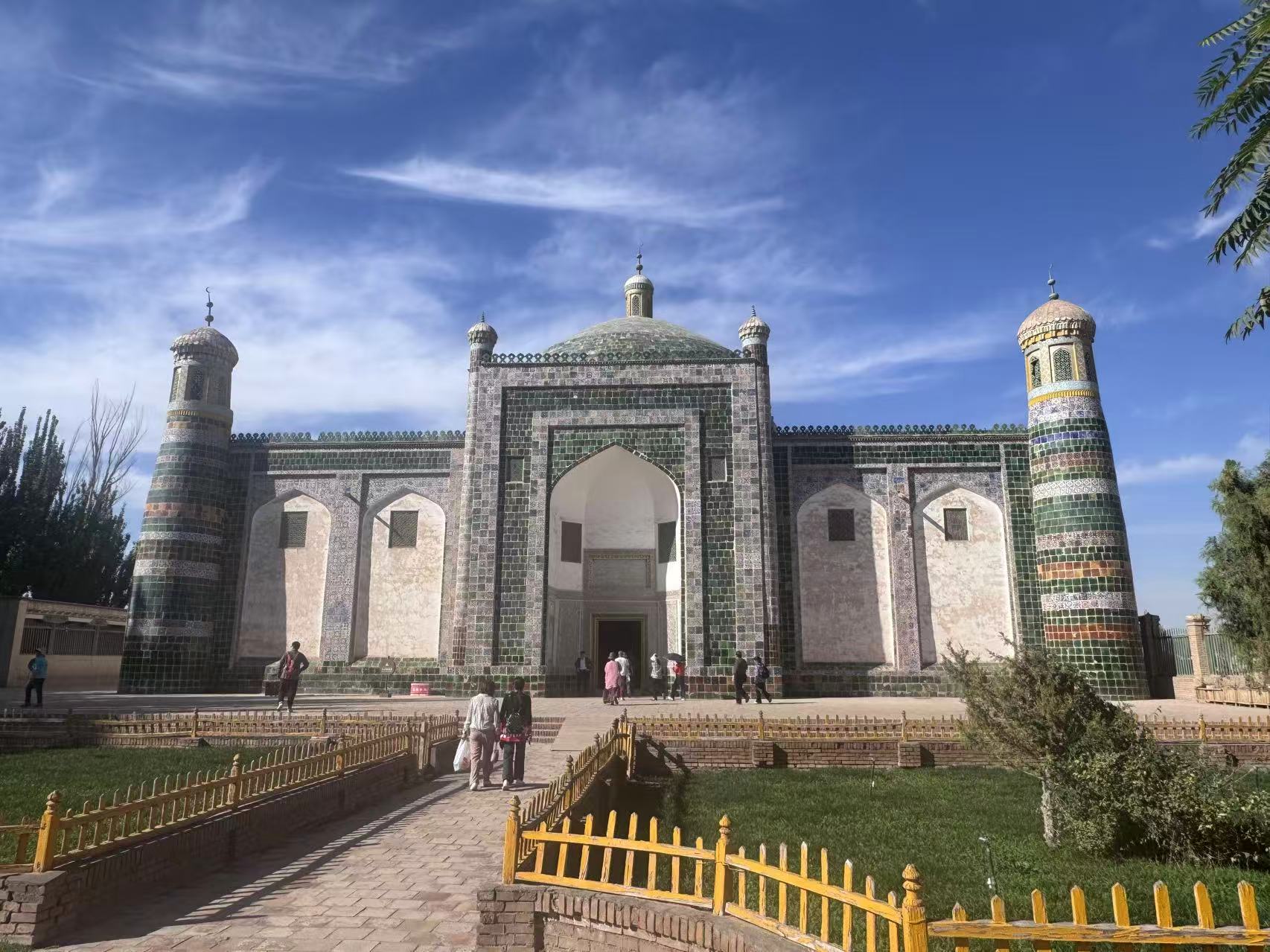
A Mausoleum of Legend and Beauty In the outskirts of Kashgar lies one of Xinjiang’s most exquisite architectural gems: the Tomb of Xiang Fei, more accurately known as the Apak Khoja Mausoleum. Built in 1640, it is the burial place of the influential Apak Khoja family, powerful Islamic leaders during the 17th century. The site, […]

Kizil Caves

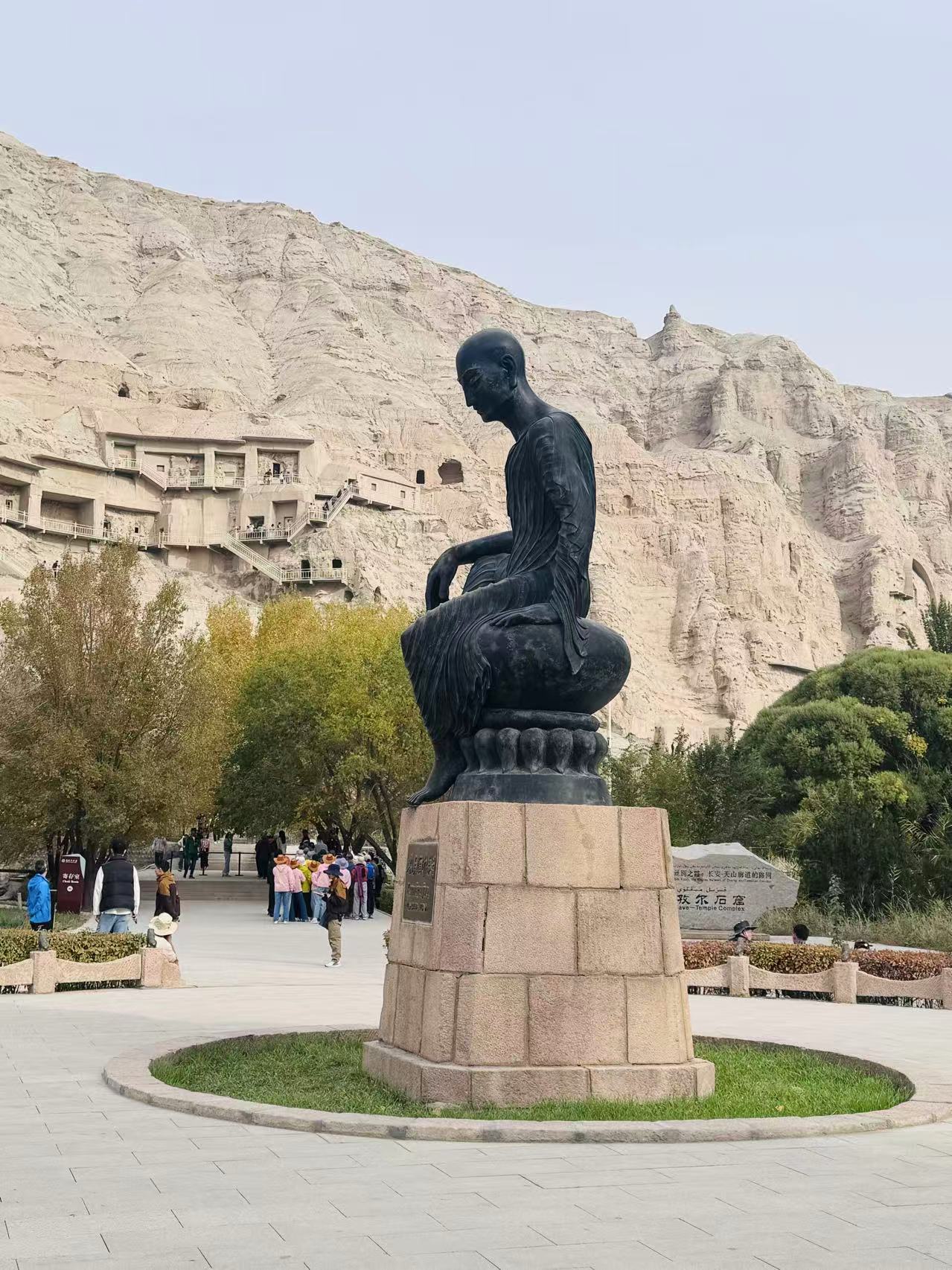
The Cradle of Chinese Buddhist Art Carved into the cliff face of the Mingati Hills near Kuqa, the Kizil Thousand-Buddha Caves claim the title of the earliest major Buddhist cave complex in China. Dating from the 3rd to 9th centuries AD, these over 230 caves predate the more famous Mogao Caves and represent a critical […]

Kizilgaha Beacon Tower

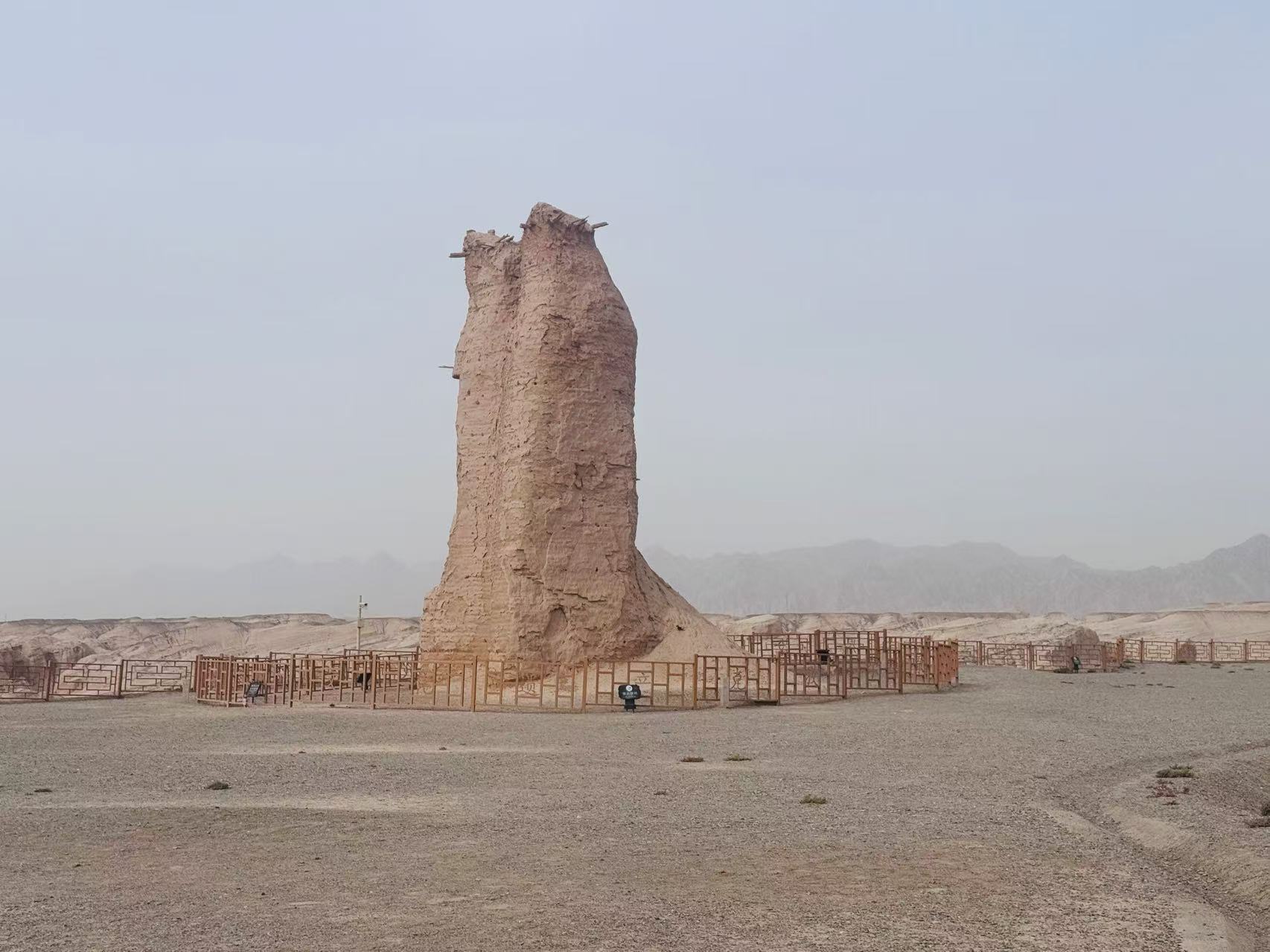
The Silk Road’s Ancient Text Message Standing alone on a barren hill near Kuqa, the Kizilgaha Beacon Tower is a stark and powerful symbol of Silk Road communication. Built during the Han Dynasty (2nd century BC), this is one of the best-preserved and most iconic of the thousands of beacon towers that once spanned the […]

Tianshan Grand Canyon

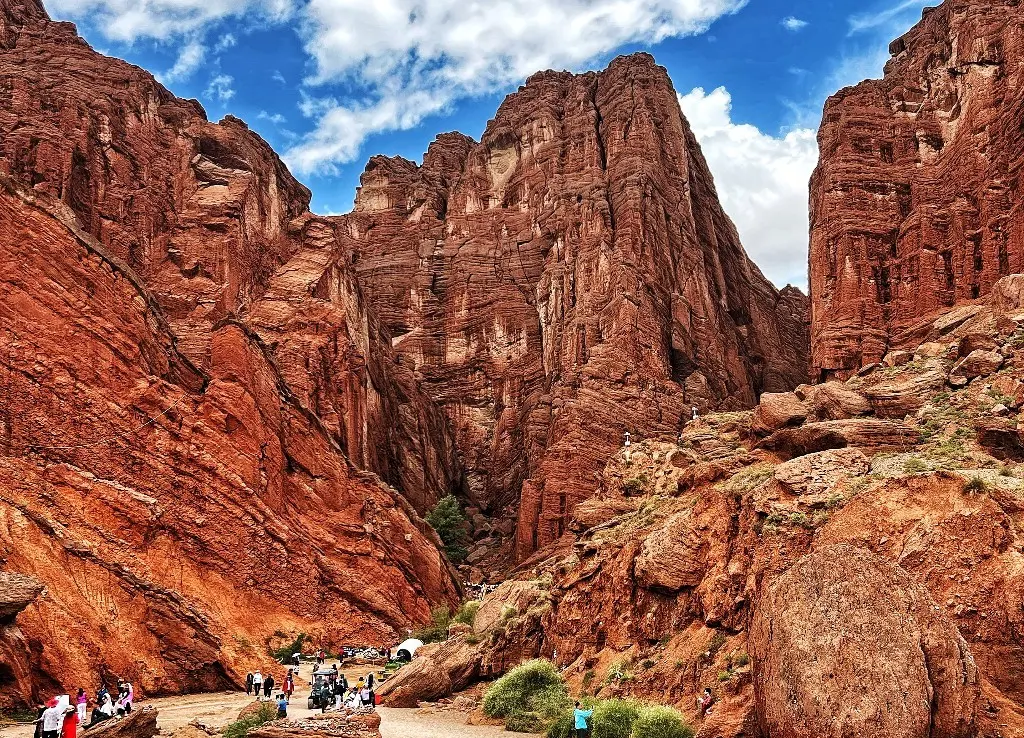
Nature’s Colossal Canvas Just outside Kuqa city lies a geological masterpiece that seems ripped from a fantasy novel: the Tianshan Grand Canyon (also known as Keziliya Canyon). This is not a single gorge, but a labyrinth of crimson-hued cliffs, narrow serpentine passages, and towering rock formations sculpted over millions of years by wind and water. […]

Subashi Temple Ruins

A Monastery in the Riverbed Nestled in the stark, beautiful desert foothills near Kuqa, the Subashi Temple Ruins offer a dramatically different vision of ancient Buddhist life. Founded in the 3rd century AD, this was once one of the largest and most important Buddhist monasteries in the Western Regions, flourishing for over a thousand years. […]

Jiaohe Ancient City

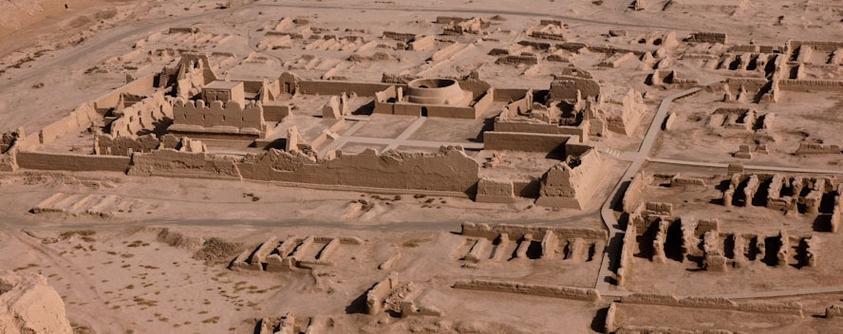
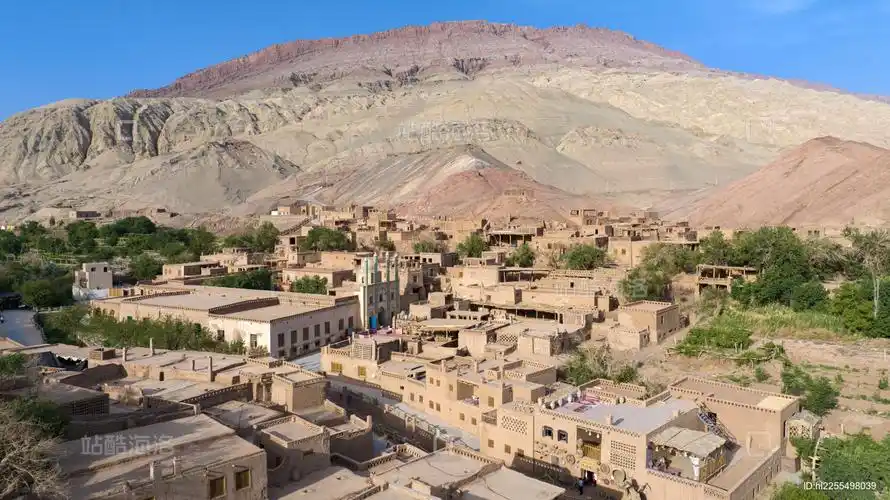
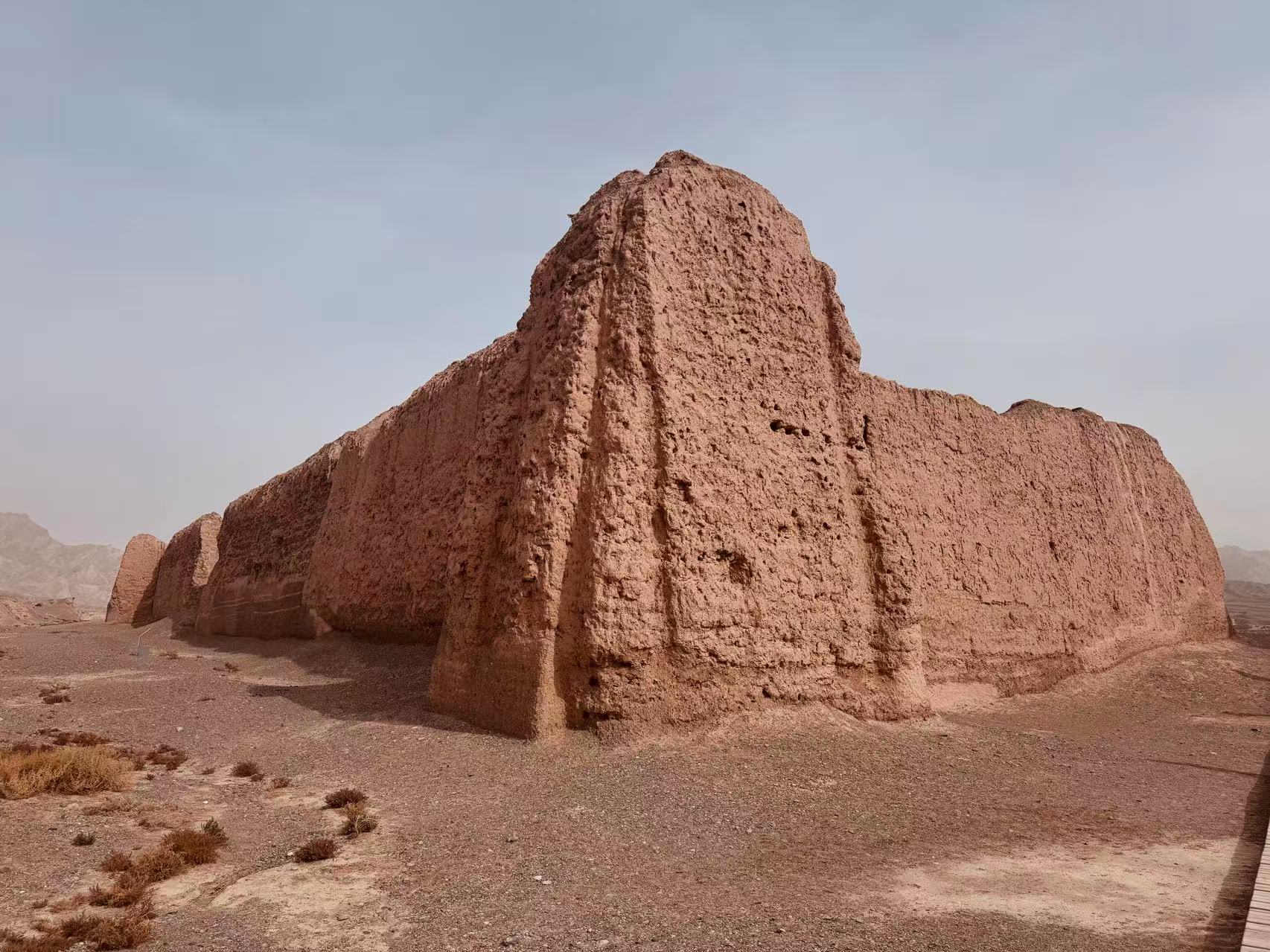
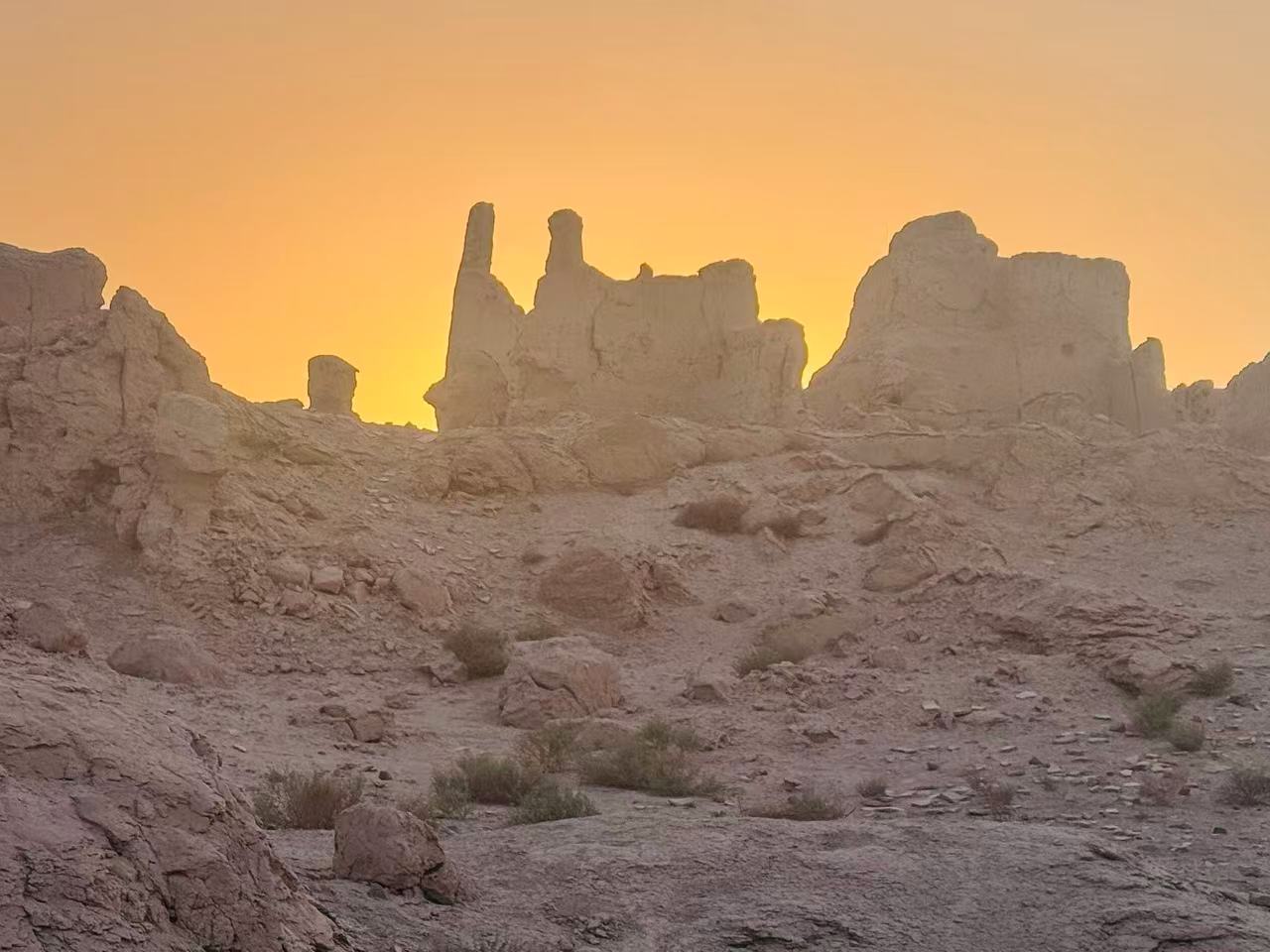
Jiaohe Ancient City: The Desert’s Time Capsule Carved not from stone, but from a mighty loess plateau between two riverbeds, the Jiaohe Ancient City is one of the world’s most unique and well-preserved ruins. Located just west of Turpan, this sprawling site resembles a giant, sun-bleached ship marooned in the desert. Its name, meaning “River […]

Bingou Danxia Landform

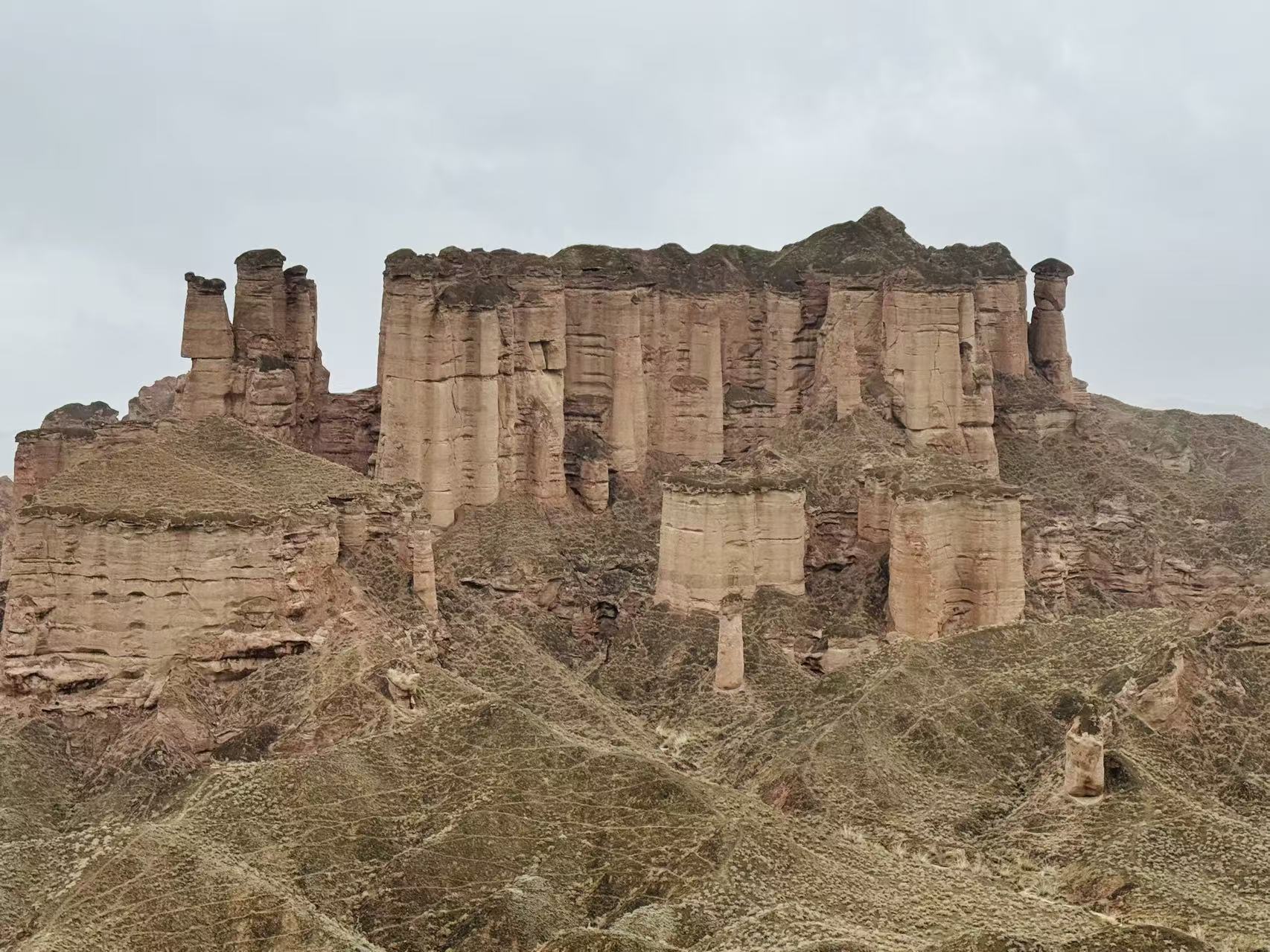
Geological Uniqueness & Formation ProcessBingou Danxia Landform(冰沟丹霞), located 50 kilometers southwest of Zhangye, presents a stunning paradox: fiery-red sandstone formations rising from valleys that host perennial ice formations well into spring. This 30-square-kilometer area represents a rare subtype of Danxia landform where periglacial processes interact with colorful Cretaceous sandstones. While the broader Zhangye Danxia is famous for its “rainbow […]

The Pingshanhu Grand Canyon

Geological Formation & Natural ArchitectureOften called “China’s Grand Canyon,” Pinghu Lake (平山湖) presents a 150-square-kilometer symphony of erosion carved over 80 million years. Located 60 kilometers northeast of Zhangye, this crimson-hued landscape reveals geological chapters from the Cretaceous to Quaternary periods. The canyon’s defining features—towering pillar formations, deep narrow gorges, and natural arches—result from the […]

Jintasi Grottoes

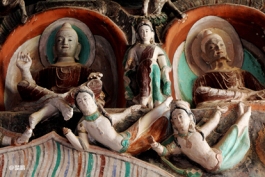
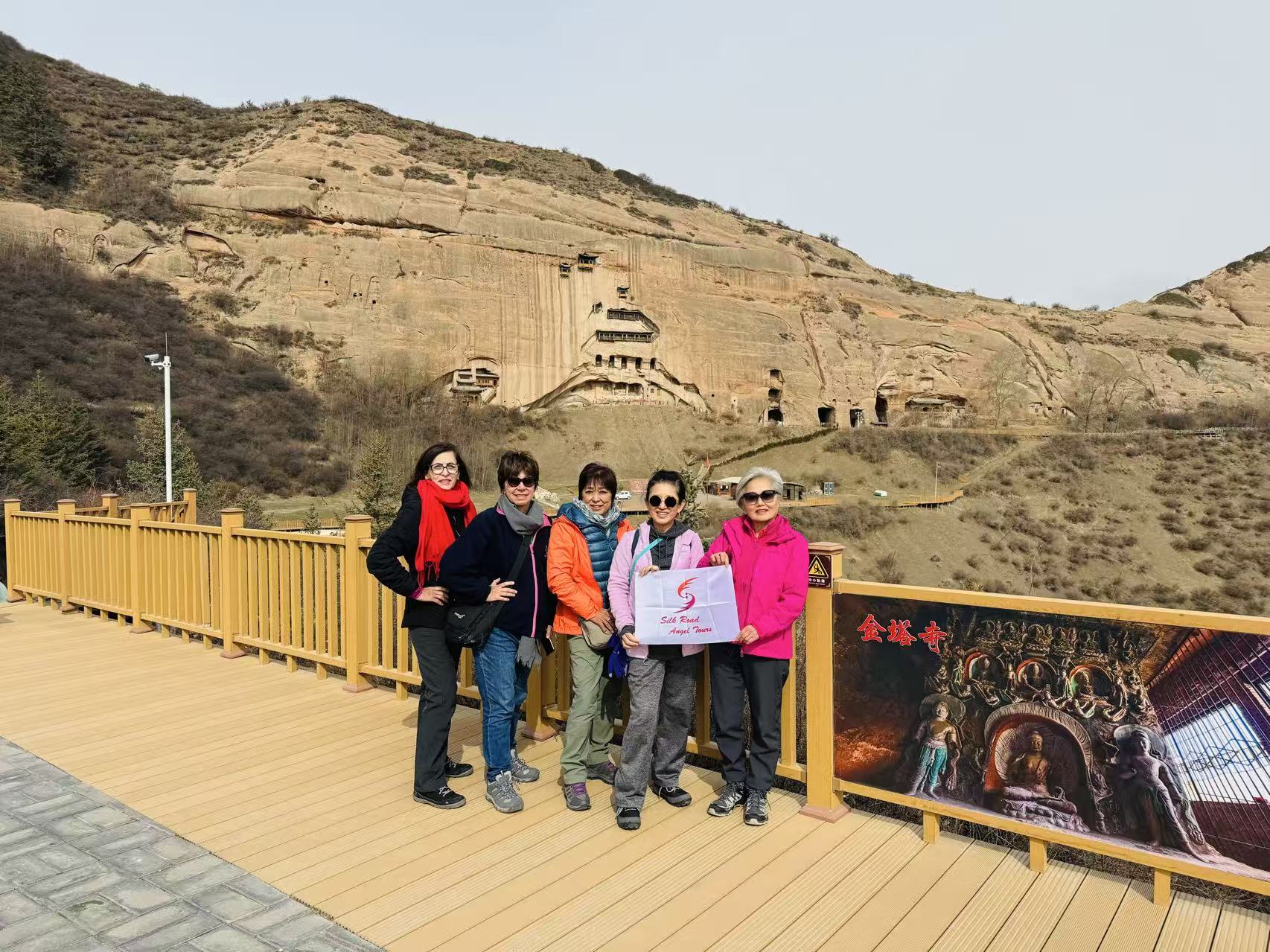
Historical Significance & Discovery ContextLocated in the secluded Linze County approximately 60 kilometers from Zhangye, the Jintasi Grottoes (金塔寺石窟) represent one of China’s most significant yet least-known early Buddhist art treasures. Dating primarily to the Northern Liang Dynasty (397–439 CE)—the very period when Buddhism was systematically establishing itself along the Hexi Corridor—these caves preserve artistic styles […]

Zhangye Matisi Grottoes

Zhangye Matisi Grottoes: Where Buddhist Art Meets Natural Majesty Historical Context & Geographical SettingNestled 65 kilometers south of Zhangye city in Gansu Province, the Matisi Grottoes (马蹄寺石窟) represent a remarkable synthesis of human devotion and natural grandeur. Carved into the dramatic cliffs of the Qilian Mountains foothills, this extensive cave temple complex dates back over […]