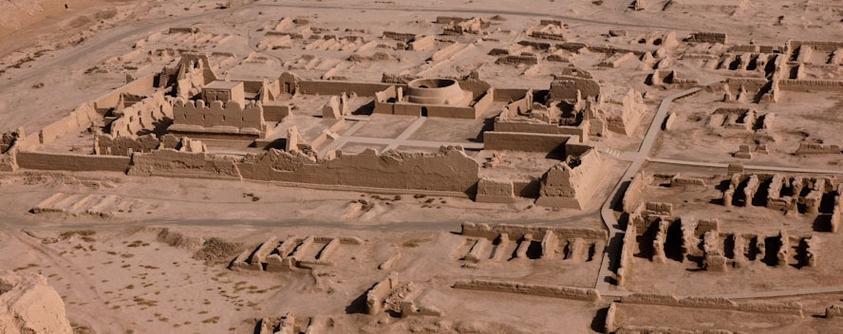
The Underground Museum of Gaochang
Just 40 kilometers southeast of modern Turpan lies one of archaeology’s most extraordinary time capsules – the Astana Ancient Tombs. This necropolis, serving the nearby city of Gaochang from the 3rd to 9th centuries, offers an unparalleled window into everyday life along the Silk Road. What makes Astana exceptional isn’t grand architecture or royal treasures, but the remarkable preservation of ordinary people and their possessions, frozen in time by Turpan’s exceptionally arid climate.
As you descend into the carefully excavated tombs (several are open to visitors), you enter a different world. The dry air has naturally mummified many bodies, their features and clothing astonishingly intact after more than a thousand years. But the real stars are the artifacts – the personal belongings buried with the deceased that tell intimate stories of Silk Road life. You’ll see perfectly preserved grape leaves and pastries, silk clothing in vibrant colors, clay figurines depicting everything from warriors to musicians, and remarkably lifelike “face covers” painted on silk or plaster.
The tombs are arranged in family clusters, reflecting the social structures of ancient Gaochang, a major oasis city that flourished as a cosmopolitan trading hub. Among the most fascinating discoveries are the “funerary banners” – silk paintings depicting scenes from Chinese mythology and daily life that show the fascinating cultural blending occurring here. Equally remarkable are the numerous documents found, written in various scripts including Chinese, Sogdian, and even early Turkic, revealing Gaochang’s role as a multilingual crossroads of civilizations.
Visiting Astana feels like stepping into an intimate museum dedicated not to kings and conquests, but to the merchants, farmers, artisans, and officials who populated the Silk Road. The small onsite museum displays many original artifacts, but the simple, unadorned tombs themselves are most evocative. In their silent chambers, you confront the universal human experiences of life, death, and memory. For anyone interested in the human dimension of history, Astana offers a profoundly personal connection to the people who made the Silk Road not just a trade route, but a living, breathing network of cultures.