Qinghai: The Rooftop of the World
If the previous provinces are the grand stages of Chinese history, then Qinghai is its primordial, soul-stirring overture. This is not merely a province; it is the Roof of the World, the Source of Asia’s Great Rivers, and one of the planet’s final, breathtaking wilderness frontiers. Here, on the vast Qinghai-Tibet Plateau, the narrative shifts from human dynasties to the epic forces of nature itself. For the traveler seeking raw, unscripted beauty, profound tranquility, and a connection to the origins of life, Qinghai offers an unrivaled journey. It is where sky, mountain, and water converge in a symphony of scale and silence, inviting you to witness the Earth as it was, and as it endures.
Part I: The Source of Life – Nature’s Monumental Canvas
Qinghai’s identity is fundamentally ecological. Its 720,000 square kilometers are a living reservoir for Asia, earning its title as “China’s Water Tower.” Here, the mighty Yellow River, the Yangtze, and the Mekong (Lancang River) begin their long journeys to the sea from thousands of glacial streams . This is a land sculpted on a monumental scale.
• The Triple Crown of Lakes:
No journey is complete without encountering Qinghai’s iconic aqueous landscapes.
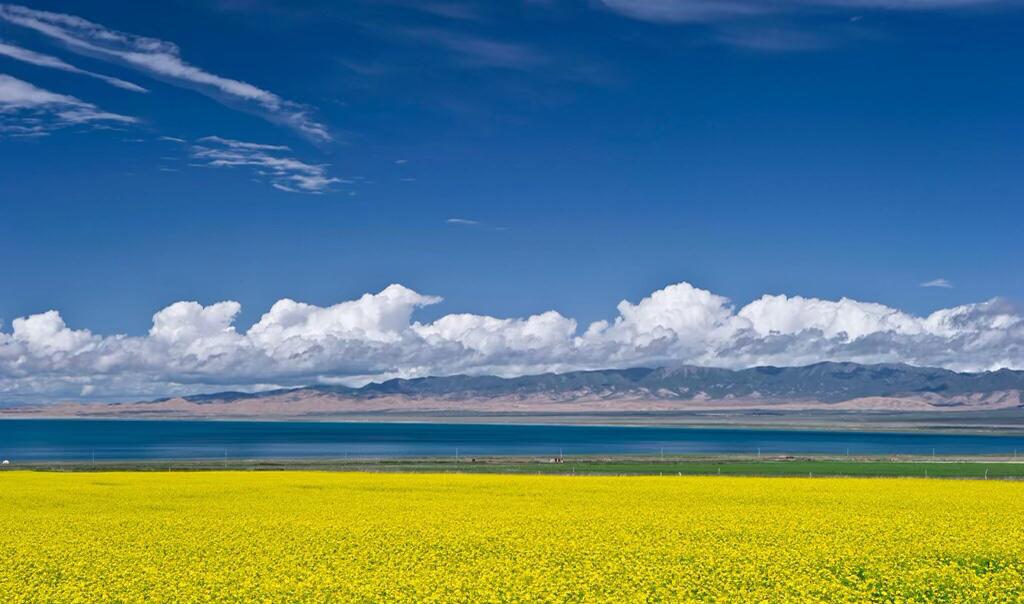
· Qinghai Lake: The namesake of the province and China’s largest inland saltwater lake. Its ever-changing shades of sapphire, stretching to the horizon, have earned it the name “The Blue Gem of the Plateau” . It is a vital sanctuary for migratory birds, including the graceful bar-headed goose.
· Chaka Salt Lake: The legendary “Mirror of the Sky.” This vast, crystalline salt flat creates a perfect reflection of the heavens, clouds, and distant mountains, producing surreal, dreamlike vistas where the boundary between earth and sky dissolves . It is a photographer’s paradise, especially at sunrise and sunset.
· The Emerald and Turquoise Lakes of the Qaidam Basin: West of Chaka, the arid Qaidam Basin hides startling jewels. The Great Chaidan Salt Lake (Dachaidan) and nearby Emerald Lake are known for their otherworldly, milky-turquoise waters, set against stark white salt shores and desert mountains, resembling a palette of precious stones .
• The Pillars of the Earth: Mountain Majesty
The province is framed and defined by some of the world’s most storied mountain ranges, which form a natural “cooling system” and give Qinghai its dramatic topography .
· Kunlun Mountains: The mythical “Spine of Asia” runs across southern Qinghai, a realm of perpetual snow and timeless legend.
· Qilian Mountains: Straddling the northeast, these ranges offer some of Qinghai’s most accessible and breathtaking alpine scenery. Qilian Mountain Grasslands provide classic vistas of rolling green hills dotted with yaks and sheep, while Menyuan’s Rapeseed Flower Sea in July transforms a valley into a breathtaking ocean of gold .
· Tanggula Mountains: The source of the Yangtze, this is a remote and sacred landscape for the truly adventurous.
Part II: A Tapestry of Harmony – Culture at the Crossroads
For millennia, Qinghai has been a crucial corridor where the Silk Road, the Tang-Tibet Ancient Road, and the Tea-Horse Road converged . This historical crossroads has fostered a rich, harmonious mosaic of cultures where Tibetan, Han, Hui, Tu, Salar, and Mongol communities have lived side-by-side for centuries .
• Spiritual Sanctuaries:
· Kumbum Monastery (Ta’er Si): Located near Xining, this is one of the six great monasteries of the Gelug school of Tibetan Buddhism and the birthplace of the great teacher Tsongkhapa. Its grandeur is not only in its golden-roofed halls but in its exquisite “Three Uniques”: intricate butter sculptures, vibrant murals, and elaborate embroidered tapestries .
· The Regong (Rebgong) Arts of Tongren: A UNESCO Intangible Cultural Heritage site, the “Regong Arts” represent the pinnacle of Tibetan Buddhist artistry. The region is famed for breathtaking thangka paintings (religious scrolls), dynamic sculptures, and magnificent temple architecture, all part of the vibrant Hotshot cultural sphere .
• Living Traditions:
The cultural vibrancy extends beyond temples to lively festivals. Experience the thunderous horsemanship of the Nadun Festival of the Tu people, the sacred masked dances of the Tibetan “June Festival,” or the passionate, improvised folk songs known as “Hua’er” that echo across the hills .
Part III: A Taste of the High Plateau – Culinary Journeys
Qinghai’s cuisine is hearty, simple, and shaped by its high-altitude pastoral life. It is food for sustenance and celebration.
• The Staples of the Land:
· Hand-Grabbed Mutton (Shou Zhua Yangrou): The quintessential Qinghai feast. Tender, grass-fed mutton is simply boiled with salt, then eaten by hand with a dip of ground Sichuan pepper and salt. The flavor is pure, rich, and unforgettable .
· Yogurt (Lao Suannai): Qinghai’s yogurt, made from yak or cow milk, is legendary. It is thick, tart, and topped with a golden layer of cream. Served in a porcelain bowl with a sprinkle of sugar, it is a perfect daily refreshment .
· Tsampa (Zanba): The staple food of Tibetan areas—roasted barley flour mixed with butter tea. It is more than food; it is a cultural icon and a source of energy for the highlands.
• Noodles and More:
· Beef Noodle Soup: While famous in Lanzhou, Qinghai’s version, with its clear, savory broth, chewy hand-pulled noodles, and tender beef, is a soul-warming staple found in every town .
· Qinghai-style Fried Bun (Yangyou Mantou): Steamed buns are sliced and pan-fried with fresh mutton, leeks, and cumin, creating a fragrant and satisfying one-dish meal.
Part IV: The Traveler’s Path – Practical Guide & Themed Routes
Best Time to Visit:
· July to August is peak season, with warm days, cool nights, and lush grasslands in full bloom (especially for the Menyuan rape flowers). This is also the busiest time.
· June and September offer milder weather and significantly fewer crowds, ideal for a more tranquil experience.
· Winter (Dec-Feb) is severe but stunningly beautiful, with frozen lakes and snow-covered peaks. Specific winter tourism routes are now being promoted for the hardy traveler .
Getting There & Around:
· Xining Caojiabao International Airport is the main gateway.
· Travel within Qinghai almost necessitates road travel. Renting a car with a driver is highly recommended for safety, navigation, and comfort on long journeys between remote sites. Major scenic spots are now well-connected by high-grade roads.
Essential Considerations:
· Altitude Sickness: Most destinations are above 3,000 meters. Acclimatize in Xining (2,300m) for 1-2 days, ascend gradually, stay hydrated, and avoid strenuous activity initially.
· Climate & Packing: The weather is highly changeable. Pack layered clothing (thermal base layers, fleece, down jacket, waterproof shell), strong sunscreen, sunglasses, and a hat.
· Cultural Respect: Dress modestly, especially when visiting monasteries. Always ask for permission before photographing people, particularly monks and local residents.
From the silent, snow-draped peaks that feed continents to the vibrant, prayer-flag-lined temples; from the deep blue eye of Qinghai Lake to the warm, hearty bowl of yogurt offered in a nomadic tent, Qinghai is a journey for the senses and the spirit. It is a place that reminds us of the raw power and delicate balance of our planet. As the local saying goes, “来过青海,才算见过真正的天与地” — “Only after coming to Qinghai, have you truly seen heaven and earth.”