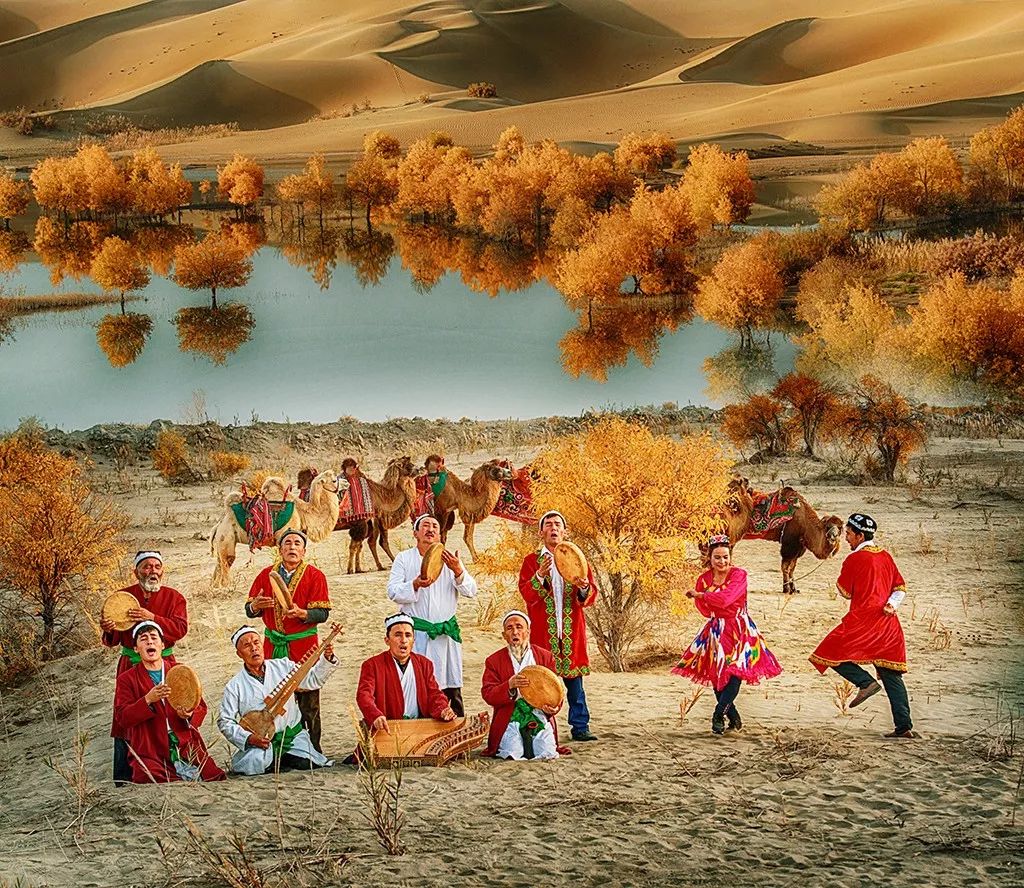
Xinjiang: The Ultimate Intersection of Earth and History
If Shanxi, Shaanxi, and Henan are chapters in the continuous scroll of China’s central plains civilization, then Xinjiang is a vast, open book of epic poetry, written not with ink but with shifting desert sands, eternal glaciers, and the footfalls of countless cultures along the ancient Silk Road. Here, “Xiyu” (the Western Regions) transforms from a historical term into a living, breathing reality. This is not merely a province; it is the geographical and cultural heart of Asia, where the world’s highest peaks meet its most expansive deserts, and where East has met West for over two millennia. For the intrepid traveler, Xinjiang offers an unparalleled journey through landscapes of surreal beauty, living traditions, and a history that has fundamentally shaped continents.
Part I: Realm of Extremes – Nature’s Grand Theater
Xinjiang’s geography is an untamed drama of scale and contrast, famously described as “three mountains cradling two basins.” This monumental landscape creates a stunning diversity of ecosystems, each a destination in its own right.
• The Mountains and Grasslands: The Tianshan (Heavenly Mountains) run east-west, dividing Xinjiang into North and South. This range is not just a geological feature but a UNESCO World Natural Heritage site, celebrated for its outstanding beauty and biodiversity . In its embrace lies Karakorum Pasture (喀拉峻草原), part of the heritage site, a “black, fertile wilderness” where snow-capped peaks, rolling grasslands, and deep canyons converge, hailed by experts as one of the world’s premier alpine meadows. Further north, the otherworldly turquoise waters of Kanasi Lake and the vast wetlands of Bayinbuluke present landscapes that defy imagination.
• The Deserts and Oases: South of the Tianshan lies the formidable Taklamakan Desert, one of the world’s largest. Its name, often translated as “the place of no return,” holds an irresistible allure for adventurers. Modern engineering has tamed its edges with epic cross-desert highways, offering a surreal journey through dune seas. This harsh environment makes the life-sustaining oases, like those of Turpan and Kashgar, all the more miraculous—vibrant, verdant hubs of human ingenuity and history.
• Iconic Travel Routes: For an unforgettable journey, few experiences rival a road trip. The Duku Highway, a seasonal mountain pass, traverses diverse landscapes from snowfields to gorges, earning its status as a “must-do” . The S101 and Ahe (A-Ho) Highway are other famed scenic routes, showcasing Xinjiang’s dramatic and accessible natural beauty.
Part II: A Caravan of Cultures – Echoes of the Silk Road
Xinjiang’s true wealth is its role as history’s greatest cultural crossroads. For centuries, it was the vital conduit on the Silk Road, where goods, ideas, and faiths flowed between China, the Indian subcontinent, Persia, and the Mediterranean. This legacy is etched into its very soil.
• The World Heritage Corridor: The “Silk Roads: the Routes Network of Chang’an-Tianshan Corridor” is a UNESCO World Heritage site linking Xinjiang to Central Asia and beyond. Key sites along this corridor include the atmospheric ruins of Jiaohe and Gaochang Ancient Cities, which rise from the desert like mirages of a lost civilization. The haunting beauty of Suobashi Buddhist Temple Ruins and the Kizilgaha Beacon Tower, a 2,000-year-old sentinel, speak to the region’s profound Buddhist history and strategic importance.
• The Caves and Murals: The Kizil Thousand-Buddha Caves are among the earliest major Buddhist grotto complexes in China, predating even the famous Mogao Caves. Their exquisite murals blend Indian, Persian, and local artistic traditions, offering a unique window into early Buddhist art and cultural exchange.
• Living Cultural Capitals: The Ancient City of Kashgar is a living museum. Within its maze-like alleys, artisans forge copper, potters shape earth, and the air fills with the scent of spices and bread from its centuries-old food markets. In Kuqa, the legacy of the ancient Qiuci Kingdom—a major center of Buddhist culture, music, and dance—is being revitalized. The restoration of the Qiuci Alley historic district showcases how traditional architecture and crafts are being preserved for new generations.
• Intangible Heritage: This cultural depth is also found in vibrant traditions. The Meshrep (a traditional Uyghur community gathering), the epic performance of “Manas”, and the complex, soulful suites of the Uyghur Muqam art are all recognized by UNESCO as Masterpieces of the Oral and Intangible Heritage of Humanity, offering visitors a chance to experience living history.
Part III: A Feast for the Senses – Xinjiang’s Culinary Mosaic
Xinjiang’s cuisine is a direct, delicious reflection of its geography and nomadic heritage, centered on robust flavors and communal dining.
• The Heart of the Meal: Bread and Meat
· Naan (馕): More than bread, naan is a staple of life. Baked in tandoor ovens, it comes in countless varieties, from plain to onion- or sesame-topped. As locals say, “One can go three days without meat, but not a single day without naan” .
· Roasted Lamb: Xinjiang’s lamb, often pasture-raised on alkaline grasses, is renowned for its tender texture and lack of gaminess. It is enjoyed in many forms: from iconic street-side lamb kebabs to the celebratory whole roasted lamb. Baked buns (烤包子), filled with seasoned lamb and onions, are a must-try handheld delight.
· “Big Plate Chicken” (大盘鸡): This hearty, communal dish perfectly symbolizes Xinjiang’s generous spirit. Tender chicken and potatoes are braised in a rich, slightly spicy sauce and served over wide hand-pulled noodles, meant to be shared.
• Beyond the Grill
· Polo (抓饭): Aromatic rice pilaf cooked with carrots, onions, raisins, and lamb, often served on a large communal platter.
· Local Specialties: “Vat Meat” (缸子肉) is a clear-broth stew of lamb, radish, and carrots slow-cooked in individual mugs. For something different, try fish from local rivers, grilled over charcoal on red willow branches.
· The Finishing Touch: Meals are best concluded with Xinjiang’s famous dried fruits and nuts, thick, tart homemade yogurt, or a glass of sweet pomegranate juice.
Part IV: The Modern Tapestry – Vitality and Hospitality
Today, Xinjiang is more than a historical repository; it is a dynamic region where tradition and modernity intertwine.
• The Power of “Wen-Lü” Integration: A key theme in Xinjiang’s contemporary development is “文旅融合” (cultural and tourism integration). This philosophy ensures that travel is deeply connected to culture. It manifests in booming “museum fever,” with new institutions like the Xinjiang Museum and the Xiyu Duhufu Museum drawing huge crowds. It’s seen in the rise of niche tourism: people travel to follow a concert, a sporting event like the Taklamakan Rally, or even the filming locations of popular shows like My Altay, which have sparked global interest in the region’s landscapes.
• All-Seasons Destination: While summer is peak season, Xinjiang’s appeal is year-round. Its winter, particularly in the Altay region, is a world-class destination for powder skiing and frosty landscapes. The government has heavily invested in infrastructure, ensuring that over 95% of major 3A-rated and above scenic spots are accessible by high-grade roads, and services like the “Smiling Xinjiang” initiative work to enhance the visitor experience.
• A Warm Invitation: Ultimately, the soul of Xinjiang is its people. The region is home to 47 ethnic groups, including Uyghur, Han, Kazakh, Hui, and Kirgiz, who have lived together for generations. The warmth of hospitality is palpable, whether you’re invited to share a pot of tea in a Kashgar workshop or join in a spontaneous street dance in Yining’s Six-Star Street (六星街). The successful restoration of places like Qiuci Alley, driven by the enthusiasm and participation of local residents, is a testament to the community’s pride in its heritage and its welcome to outsiders.
Your Practical Guide to Xinjiang
When to Visit:
· May to October is ideal for most regions, with pleasant temperatures and vibrant scenery.
· July-August are peak months; book well in advance.
· Winter (December-February) is perfect for skiing in Altay and experiencing a serene, snowy landscape.
Getting Around:
· Fly into Ürümqi, the main hub. Major cities are well-connected by air.
· High-speed rail now links Ürümqi to key cities like Turpan, Hami, and Kuqa, making travel fast and comfortable.
· For remote areas and scenic drives, renting a car with a local driver is highly recommended for both convenience and navigation.
Key Considerations:
· Vast Distances: Xinjiang is enormous. Plan your itinerary around one or two regions (e.g., North Xinjiang for nature, South Xinjiang for culture) rather than trying to see everything.
· Cultural Respect: Dress modestly when visiting religious sites and local communities. Always ask permission before photographing people.
· Official Advisory: Always check your government’s latest travel advisories for the region before finalizing your plans.
From the silent, star-dusted expanse of the Taklamakan to the lively, music-filled lanes of Kashgar’s Old City; from the ancient Buddhist caves whispering centuries of devotion to the modern, bustling bazaars, Xinjiang offers a journey that is as profound as it is exhilarating. It is a land that doesn’t just show you history—it lets you walk through it, taste it, and feel its living pulse. As the local saying goes, “新疆是个好地方” — Xinjiang is a wonderful place. Come and discover why.